
Whether you’re hunting for the perfect build in an RPG, hunting for frame-rate consistency on high-end GPUs, or grinding through a mobile gacha title, the gaming landscape in 2026 is fragmented across platforms, genres, and skill levels. Staying competitive, or just staying informed, means knowing where to find reliable guides, accurate reviews, and the latest patch notes before your friends do. The Gaming Vault consolidates everything a gamer needs: detailed walkthroughs, hardware optimization advice, esports training, and breaking industry news. From casual puzzle enthusiasts to hardened competitive players, the vault becomes that trusted bookmark you open when you need answers that actually matter.
Key Takeaways
- The Gaming Vault is a comprehensive hub that consolidates in-depth guides, honest reviews, strategy breakdowns, and real-time news across all major platforms and genres, replacing generic gaming news with platform-specific expertise.
- Gamers trust The Gaming Vault because it prioritizes specificity with transparent, context-aware reviews that acknowledge reviewer bias and include platform-specific performance notes rather than claiming false objectivity.
- The vault delivers segmented strategy content for all skill levels—from beginner explanations of gaming fundamentals to advanced frame-data optimization and competitive training—without assuming a single “best” approach.
- Whether you’re optimizing a PC setup with DPI scaling and peripheral calibration, leveraging PlayStation’s DualSense features, or adapting to mobile gameplay constraints, The Gaming Vault provides detailed platform-specific guidance.
- The Gaming Vault tracks live-service updates, hardware breakthroughs, balance patches, and industry news in real-time, ensuring competitive players and casual enthusiasts stay informed before their peers.
- The resource fosters gaming community through Discord server guides, streaming advice, tournament finding tools, and celebration of player-driven initiatives like speedrunning events and fan-made mod revivals.
What Is The Gaming Vault?
The Gaming Vault is a centralized hub built for gamers by gamers. It’s not a generic gaming news aggregator or a boilerplate tips repository, it’s a living resource that pulls together in-depth guides, honest reviews, strategy breakdowns, and real-time gaming news across every major platform and genre.
Think of it as your personal gaming strategy guide, always updated. Whether you’re chasing a speedrun record, optimizing your rig for max settings, or just looking for which hidden gems landed on Game Pass this month, the vault organizes that knowledge in a way that respects your time. No fluff, no filler, just the information you’re actually searching for, written by people who understand frame-perfect timing, DPS optimization, and why TTK (time-to-kill) matters in competitive shooters.
The vault spans PC, PlayStation, Xbox, Nintendo Switch, and mobile platforms. It covers everything from AAA blockbusters to indie darlings, from single-player narratives to esports championships. The core philosophy: specificity beats generality, every time.
Why Gamers Trust The Gaming Vault
Gamers are skeptical by nature. They’ve been burned by biased reviews, clickbait headlines, and guides that feel like they’re written by people who’ve never actually played the game. The Gaming Vault earns trust through three core pillars.
Comprehensive Game Reviews and Ratings
Every review comes with specifics. Score breakdowns cover story, gameplay, graphics, sound, and replay value, but they also include platform-specific performance notes. A PS5 review mentions frame-rate modes and load times. A PC review references GPU requirements, optimization quirks, and whether the port runs as well as the console version. Reviews acknowledge bias openly: if a reviewer loves souls-like combat, they’ll note that preference so readers can calibrate accordingly.
Ratings themselves include context. A “7/10” on a AAA shooter might reflect solid mechanics undermined by a weak campaign, while a “7/10” on an indie title might indicate remarkable creativity held back only by small-team constraints. The vault doesn’t pretend objectivity exists, it’s transparent about the player and the lens.
Expert Tips and Strategies for All Skill Levels
Casual players shouldn’t feel locked out by jargon, and competitive players shouldn’t waste time on tutorial-level guides. The vault segments advice clearly. Beginner tips explain what a meta is and why it matters: advanced sections break down frame-data optimization and character matchups in fighting games. Step-by-step boss guides offer optional challenge paths for players who want extra difficulty.
Strategy pieces don’t prescribe a single “best” approach, they explain the tradeoffs. A guide might showcase an aggressive sniper loadout in a tactical shooter, then explain where it fails against close-quarters teams, then suggest adjustments. That’s how actual players think: not in absolutes, but in matchups and situational awareness.
Up-to-Date Gaming News and Industry Insights
Patches drop constantly. Surprise drops happen. Esports rosters shift week-to-week. The vault tracks what matters: balance changes that redefine the meta, surprise announcements from major publishers, and hardware releases that shift performance expectations. It separates confirmed information from rumors, and it flags when a story is speculation versus data.
News also includes cultural context. When a new IP lands, the vault explains its place in the industry, whether it’s pushing innovation or refining an established formula. When a franchise faces backlash, the coverage reflects what players are actually saying, not a polished press release.
Gaming Guides Across All Platforms
Not every gamer lives in the same ecosystem. Some prefer the flexibility and power of PC: others want the simplicity and polish of a console. Mobile players have their own unique constraints and opportunities. The vault respects that diversity and delivers platform-specific expertise.
PC Gaming Mastery
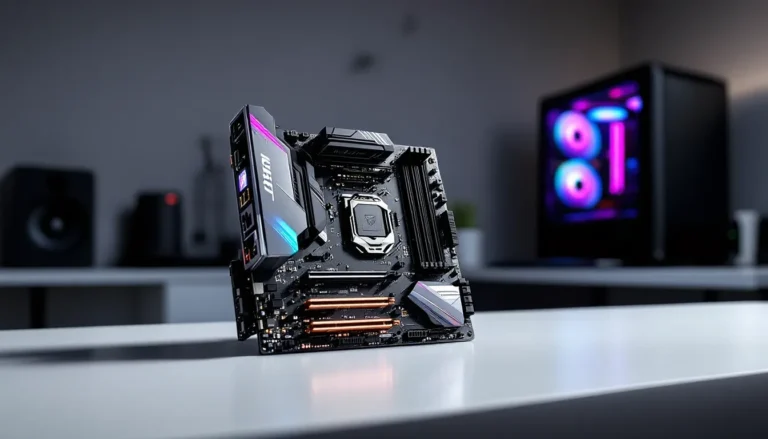
PC gaming is about optimization and customization. Guides here cover NVIDIA DLSS versus AMD FSR comparison, CPU/GPU pairing for target frame rates, and driver updates that affect performance. They include BIOS tweaks, cooling solutions, and RAM speed implications for specific titles.
Steam deck guides address Linux compatibility, performance scaling, and game-specific settings. Emulation content (where legally clear) explains why a 15-year-old game can leverage modern hardware for upscaling and enhanced visuals. Modding guides break down installation, compatibility, and how to resolve conflicts between competing mods.
Monitoring tools also get coverage: how to benchmark honestly, reading frame-pacing data, and distinguishing perceived stuttering from actual performance problems. PC players live with spreadsheets: the vault respects that and provides the data they need.
Console Gaming Excellence
PlayStation, Xbox, and Switch each have specific strengths and quirks. PS5 guides discuss DualSense haptic feedback and its impact on gameplay feel, load-time advantages of the SSD architecture, and exclusive titles that showcase the hardware’s capabilities. Xbox content covers Game Pass ecosystem value, cross-play implications, and the performance profile of Series S (1440p/120fps targets) versus Series X (4K/60fps standards).
Switch guides acknowledge hybrid mode realities: how a game performs docked versus handheld, battery impact for longer sessions, and which titles truly feel native to the platform versus ports that feel compromised. Local multiplayer guides also thrive here, since Switch excels in that space.
Cross-progression is tracked: which games let you pick up on Switch where you left off on PS5, and which ones wall off your progress. Seasonal events, battle pass rotations, and exclusive cosmetics are flagged for each platform.
Mobile Gaming on the Go
Mobile gaming gets serious treatment, not a dismissive sidebar. That means deep dives into gacha mechanics (pity systems, spark rates, legendary drop odds), battery optimization for 8-hour gaming marathons, and which titles genuinely respect your time versus those designed to bleed your wallet.
Tier lists for mobile games distinguish between pay-to-win trash and titles where skill actually determines outcomes. Controller compatibility is flagged. Emulation guidance explains which classic titles run beautifully on modern Android and iOS hardware. Cross-platform titles like Genshin Impact or Final Fantasy XIV get separate mobile-specific guides that assume 60FPS isn’t guaranteed and adaptation is necessary.
Advanced Tips to Level Up Your Gameplay
Moving from competent to formidable requires understanding depth that casual play never exposes. The vault digs into the mechanics that separate average players from ones opponents actually fear.
Optimizing Your Gaming Setup
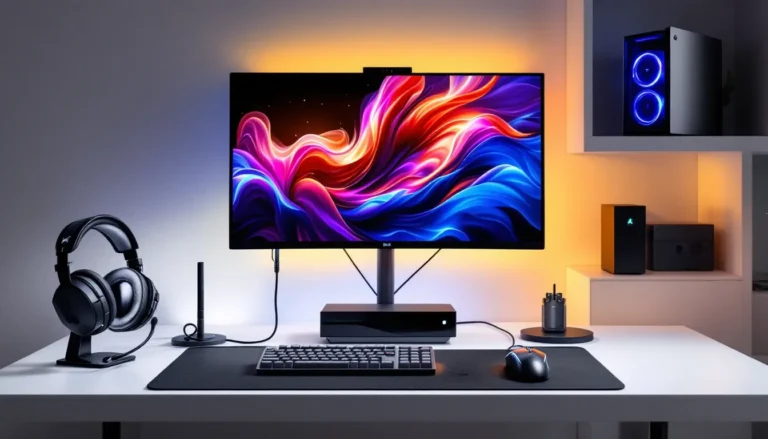
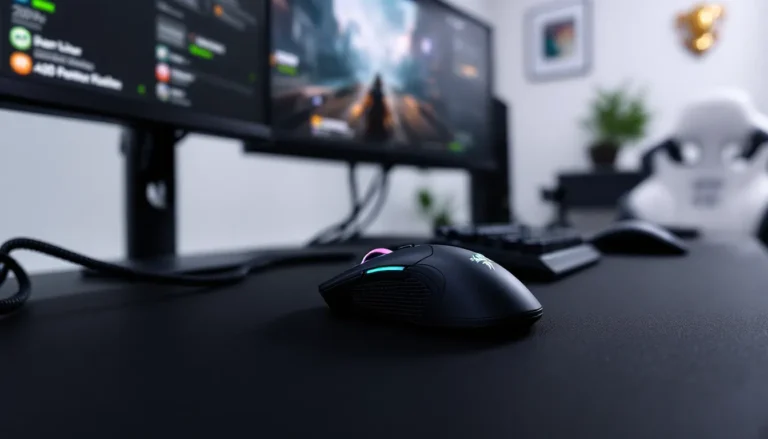
This goes beyond “buy a good monitor.” It’s about input lag, specifically. A gaming mouse matters, but what matters more is understanding DPI scaling, polling rate (1000Hz versus 8000Hz USB polling), and how Windows mouse settings interact with in-game sensitivity. A guide might explain why a pro player uses 800 DPI with 1.8 in-game sensitivity rather than jumping to 1600 DPI, and how to find your personal sweet spot through systematic testing.
Peripheral guides include mechanical keyboard switch types and their implications for different games (Cherry MX Red for fighters, heavier switches for typing comfort if you stream). Headset advice addresses soundstage (critical for competitive FPS audio cues), microphone quality for streaming, and noise-cancellation when you’re playing at 2 AM.
Monitor specs get specific: response time (1ms GtG versus claimed), refresh rate (144Hz is baseline for shooters in 2026, 240Hz is competitive standard), and color accuracy (irrelevant for shooters, important for creative titles). RGB lighting? That’s personal preference: the vault won’t shame you, but it won’t pretend LEDs improve performance.
Setup ergonomics matter too, desk height, chair support, monitor distance, because RSI (repetitive strain injury) ends careers. Stretching routines and posture advice aren’t filler: they’re injury prevention.
Mastering Popular Titles and Genres
Deep-dive guides for current meta games include frame-data breakdowns for fighting games, optimal rotation sequences for MMOs at max level, and economy-abuse tactics that separate pro players from grinders. A Call of Duty guide explains why certain gun archetypes dominate each season, how to adjust when Infinity Ward nerfs your main, and spot-specific angle advantages on each map.
RPG guides address optimal leveling routes (acknowledging that speedrunners and casual players have different goals), hidden questlines that most players miss, and exploit builds that break intended difficulty. A Dark Souls guide doesn’t pretend there’s one “correct” playstyle, it explains poise breakpoints, backstab range, and why the meta sits at SL 125 for PvP dueling.
Stealth games get coverage on sight-line mapping and NPC patrol routines. Sports titles include attribute allocation and team-building strategy. The vault assumes players want to understand why strategies work, not just follow a checklist.
Competitive Play and Esports Training
Competitive guides address fundamentals: crosshair placement in tactical shooters, economy management in strategy games, and decision-making frameworks when 50 milliseconds separate victory from defeat. They reference professional players and teams as examples, not celebrity worship, but actual case studies of how top competitors approach the game differently.
Mental conditioning gets real coverage. Tilt management, decision-making under pressure, and how to analyze your own replays productively. Smurfing ethics are addressed (when it’s acceptable, when it’s toxic). Scrim finding, team-building, and the business side of esports for aspiring pros get honest treatment.
Latest Gaming News and Tech Innovations
The gaming industry moves faster than most realize. New hardware drops, balance patches reshape metas overnight, and surprise announcements shift entire franchise trajectories. The vault keeps pace.
Upcoming Game Releases and Updates
Release calendars are date-specific and platform-inclusive. A title might release on PC first, console a month later, and mobile in Q2. The vault tracks all three. Game announcements get contextualized: how does this new IP fit into the publisher’s portfolio? Is this a series returning after years of silence, or a fresh franchise bet?
Preload availability, early-access windows, and day-one patch sizes are noted. Reviews embargo dates are flagged so readers know when actual opinions will surface. Developer commentary and interview snippets get pulled from trailers and press events to give context about design intentions.
Seasonal content drops for live-service games get their own tracking. Battle pass seasonal themes, limited-time events, and cosmetic rotations are documented. If a collaboration between two franchises happens (a crossover event), that’s covered with specifics about which cosmetics are available and the window to obtain them.
Hardware Breakthroughs and Technology Trends
GPU and CPU launches get technical analysis: TFLOPS, VRAM, bandwidth, and what that means for real-world performance. Does NVIDIA’s new architecture actually improve ray-tracing efficiency, or is it marketing? The vault digs into benchmarks, not just press releases. Game Rant and similar outlets often cover these launches with hands-on testing that gamers rely on.
Console rumors get separated from facts. A leak about PS5 Pro specs is treated differently than official Sony announcements. The vault explains why a rumored feature matters (if true) and flags when it’s pure speculation.
Display technology, like mini-LED backlighting and OLED gaming monitors, gets coverage of implications for gaming. Wireless audio latency improvements matter for competitive play. AI upscaling technologies are explained: how they work, where they help, and where they introduce artifacts.
Cloud gaming progress and latency benchmarks are tracked. Does Microsoft’s Starfield port to cloud run acceptably for competitive play? Is GeForce Now’s 1440p/120fps tier worth the subscription for a player in a region with solid internet? These questions get answered with data.
Building Your Gaming Community
Gaming doesn’t exist in a vacuum. Multiplayer titles thrive on community: single-player games benefit from shared experiences and discussion. The vault facilitates connection.
Guides on starting a gaming Discord server or finding existing communities explain how to curate good moderation (keeping toxicity at bay without becoming sterile), set ground rules that work, and foster discussion about games people actually care about. Streaming advice covers everything from basic OBS settings to how to grow an audience genuinely (answer: consistency and personality matter more than weekly giveaways).
Tournament finding guides help competitive players locate local LANs, online brackets in their skill range, and esports organizations looking for talent. For casual players, guides on finding co-op groups for specific games address platform-specific tools and discoverability challenges.
Content creator guides discuss YouTube optimization, Twitch category trends, and how games appreciate creators who provide value (walkthroughs, comedy, speedrunning commentary) versus those who just record gameplay. The vault respects creators and audiences equally, both are communities.
Community-driven initiatives like seasonal challenges, speed-running events, and charity gaming marathons get coverage and promotion. Spotlight pieces highlight emerging creators and players who’ve earned respect through skill and sportsmanship. NME and Game Informer often feature gaming culture stories that capture community moments beyond just competitive results or sales numbers.
The vault also celebrates when games succeed because of community: fan-made mods that revitalize old games, community patches that fix bugs developers never addressed, and player-driven economies that become more interesting than the developer’s original design.
Conclusion
The Gaming Vault exists because gamers deserve better. Not better hardware (though optimization helps), but better information. Reviews that dig deeper than marketing materials. Guides that assume you’re intelligent enough to understand nuance. News that respects your time and gives you what actually matters.
In 2026, gaming is mainstream, fragmented, and evolving faster than any single person can track alone. Whether you’re chasing leaderboards, discovering hidden indie gems, building your first PC, or streaming to grow an audience, the vault is built to have your answer ready. Specificity, honesty, and respect for your expertise, that’s what separates a real gaming resource from clickbait.
The gaming landscape keeps changing. New platforms emerge, balance patches reshape metas, and unexpected hits redefine what’s possible. The vault adapts. Because supporting gamers of all levels, from all platforms, hunting for every kind of answer, that’s not a feature. It’s the whole point.