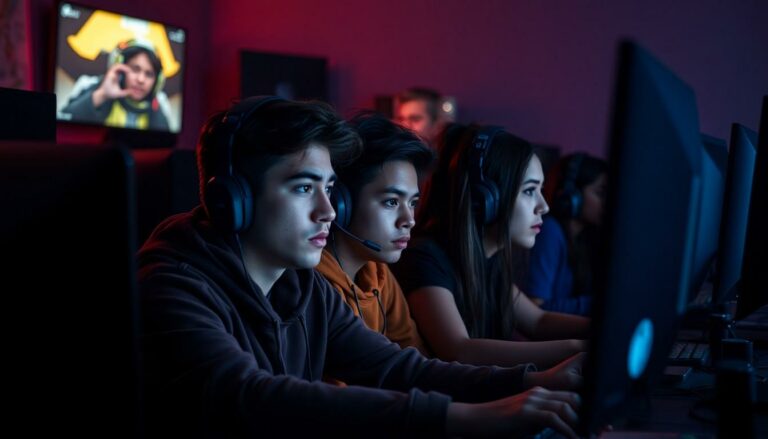


Chicago’s gaming industry has quietly become one of the most significant creative powerhouses in North America. While the city isn’t always the first name that comes to mind when people think of game development, that honor usually goes to Seattle, Los Angeles, or the Bay Area, the Windy City has been home to some of the gaming world’s most influential studios and iconic franchises for decades. From the dark corridors of Call of Duty to beloved indie projects that have carved out devoted fan bases, Chicago gaming companies have shaped how millions of players experience games across PC, console, and mobile platforms. Whether you’re a competitive esports player, a casual gamer, or someone curious about where your favorite games come from, understanding Chicago’s role in the gaming ecosystem reveals a thriving creative scene that continues to evolve in 2026.
Key Takeaways
- Chicago gaming companies have established a diverse, sustainable creative ecosystem that rivals coastal hubs through legacy studios like Raven Software, emerging indie developers, and major publisher operations.
- The city’s competitive advantages—including lower cost of living, strong internet infrastructure, and pragmatic work culture—make Chicago gaming an attractive hub for developers without requiring expensive coastal relocation.
- Chicago’s gaming industry spans multiple sectors including AAA franchises, mid-tier studios, indie games, mobile development, and esports, reducing economic dependency on any single franchise or studio.
- Major Chicago gaming companies like Raven Software pioneered technical excellence in multiplayer games, while WBIE operations demonstrate how distributed AAA production and licensed entertainment franchises strengthen the regional ecosystem.
- Career opportunities in Chicago gaming range from programming and design to esports management, with competitive salaries relative to living costs and meaningful advancement pathways within the local industry.
- The city’s esports culture, educational institutions like DePaul University, and remote work flexibility position Chicago gaming for continued growth in emerging platforms like VR, AR, and cloud-native games through 2026 and beyond.
What Makes Chicago a Gaming Hub
Chicago’s position as a gaming hub stems from several converging factors: a dense talent pool of developers, proximity to major tech infrastructure, a strong esports community, and a city culture that values both legacy institutions and emerging innovation.
The city has historically attracted game development talent through established studios that’ve built strong reputations. Raven Software, in particular, put Chicago on the map as a serious game development destination when it started operations there in the 1990s. This created a flywheel effect, success bred more studios, more talent migration, and more investment.
Beyond the big names, Chicago’s gaming scene benefits from a lower cost of living compared to coastal tech hubs, making it attractive for indie developers and startup studios. The city’s strong internet infrastructure and connection to the broader Midwest gaming community have also made it a natural hub for esports organizations and competitive gaming events.
Cultural factors matter too. Chicago has a reputation for work ethic and pragmatism that influences how studios operate. There’s less of the hype-driven culture you might find in Los Angeles, and more focus on shipping solid games and building sustainable businesses. This doesn’t make headlines, but it makes for reliable, quality output.
The Evolution of Gaming in Chicago
Chicago’s gaming history stretches back further than most people realize. The city was already a center for arcade culture in the 1980s and early ’90s, with local arcades serving as gathering spots for competitive gamers and casual players alike.
The real turning point came in the late 1990s when Raven Software established itself as a major player in the booming first-person shooter market. Games like Heretic, Hexen, and later titles showcased the studio’s technical prowess and became benchmarks for PC gaming at the time. This success attracted other developers to the region and established Chicago as somewhere serious game developers could build careers.
The 2000s and 2010s saw Chicago solidify its position with the rise of Call of Duty development at what became Infinity Ward’s sister studio, followed by ongoing support and new entries. The franchise’s massive commercial and critical success elevated the entire Chicago gaming scene. Other studios took notice, and the city began attracting mid-sized independent developers and boutique studios.
By the 2020s, Chicago had developed a genuinely diverse gaming ecosystem. You had major AAA franchises, promising mid-tier studios, a thriving indie scene supported by local game jams and networking events, and an emerging esports infrastructure. The pandemic’s shift to remote work also changed the calculus, studios could stay based in Chicago while hiring talent from anywhere, reducing the geographic pressure that had previously favored coastal cities.
Today, in 2026, Chicago gaming companies operate in a more mature, diversified market. The big AAA franchises continue, but there’s meaningful growth in indie games, mobile titles, and specialized services that support the broader industry.
Major Chicago Gaming Companies Reshaping the Industry
Raven Software and Its Legacy
Raven Software stands as Chicago’s most legendary game development studio. Founded in 1990, the studio built its reputation on technically impressive, fast-paced titles. Heretic (1994) and Hexen (1995) were genre-defining games that showcased not just clever design but genuine technical innovation. These weren’t knockoffs, they carved out their own identity while building on the foundation of what made id Tech 1 games compelling.
After establishing itself as an independent force, Raven was acquired by Activision in 1997, but the studio maintained its identity and continued shipping games under its own name. The studio became the primary development force behind some of the biggest Call of Duty multiplayer experiences, contributing to numerous entries in the franchise.
Raven Software’s technical legacy is worth understanding: the studio became known for clean, optimized code, responsive multiplayer netcode, and a focus on competitive viability. These aren’t flashy talking points, but they matter enormously to how games feel when you’re actually playing them. Players who gravitated toward Raven titles often noted superior hit registration, lower latency, and more balanced competitive environments compared to contemporaries.
In recent years, Raven has undergone organizational changes, but the studio’s influence on Chicago’s gaming identity remains foundational. Every major studio that came to Chicago afterward was building on the template that Raven proved could work.
WBIE Studios and Entertainment Innovation
WB Games Boston (WBIE Studios’ Boston branch) and related Warner Bros. Interactive Entertainment operations represent a different flavor of Chicago’s gaming presence: large entertainment companies with significant gaming divisions. While not exclusively Chicago-based, WBIE has maintained meaningful operations in the region and has shipped major titles from Chicago offices.
WBIE’s portfolio includes massive franchises like Batman: Arkham, LEGO games, and Mortal Kombat. These represent different philosophies than the pure-play game studios, they’re built on synergy with existing intellectual property, entertainment franchises, and the broader Warner Bros. ecosystem.
The significance here is that WBIE brought AAA production resources, sophisticated marketing machinery, and access to premium IP that smaller studios can’t match. A developer working on a LEGO game has access to every asset, character, and brand guideline from the broader LEGO entertainment empire. This creates different constraints and opportunities than original IP development.
WBIE also demonstrates how major publishers use distributed development, they’re not monolithic entities but networks of studios, each with specialization. This has been an important part of Chicago’s gaming evolution: the city attracts not just standalone studios but regional offices of major publishers, which brings stability, resources, and career development opportunities that pure indie studios can’t offer.
Both Raven and WBIE represent different models of successful gaming companies based in Chicago. Raven is the scrappy technical innovator that grew into an industry pillar. WBIE is the major publisher with regional operations and resources to ship AAA entertainment products at scale. Together, they illustrate that Chicago’s gaming ecosystem isn’t monolithic, it’s genuinely diverse in studio size, ownership structure, and creative philosophy.
Emerging and Indie Gaming Studios
Beyond the established names, Chicago has developed a vibrant indie gaming scene that’s produced unexpected hits and cultivated experimental game design. The city hosts regular game jams, indie networking events, and small-studio collaborations that keep creative energy flowing.
Studios like Undefined Games and other smaller outfits have shipped titles that punched above their weight in terms of critical acclaim and player engagement. These aren’t household names, but they’re the kinds of studios that deliver meaningful creative work, often with tiny teams and shoestring budgets.
What’s notable about Chicago’s indie scene is its pragmatism. There’s less of the hype-cycle pressure that characterizes coastal indie scenes. Studios tend to focus on sustainable business models: smaller budgets, careful scope management, and genuine engagement with their player bases rather than chasing viral moments.
The Chicago indie scene has also benefited from being adjacent to major studios. Developers working at Raven or WBIE often launch indie projects on the side or after moving on, bringing professional discipline and technical knowledge to smaller-scale work. This cross-pollination strengthens the entire ecosystem.
Platform diversity is significant here too. Chicago indie developers aren’t just making PC games, they’re shipping on consoles, mobile, and emerging platforms. This reflects a market reality: AAA development tends toward big platforms, but indie developers can find commercial success on Switch, mobile, and specialized platforms that don’t interest major publishers.
The emergence of tools like Unreal Engine 5 and accessibility of development platforms has also democratized game creation. Chicago’s indie studios can now ship technically impressive games with relatively small teams, which they’re doing.
The Chicago Esports Scene and Gaming Culture
Chicago’s esports scene has grown substantially, particularly in competitive titles like League of Legends, Counter-Strike 2, Valorant, and Call of Duty multiplayer. The city has hosted major esports events, supports multiple esports organizations, and has developed a dedicated competitive gaming community.
The relationship between Chicago’s esports infrastructure and game development is symbiotic. Developers benefit from having a local competitive community that provides immediate feedback on balance, meta evolution, and what keeps players engaged. Conversely, having major studios shipping competitive multiplayer games gives esports organizations something substantial to build around.
Venue infrastructure matters too. Chicago has invested in dedicated esports arenas and gaming spaces that support everything from local tournaments to international events. This physical infrastructure is often overlooked, but it’s essential for building a genuine esports culture rather than just a digital one.
The competitive scene has also created career opportunities beyond traditional game development. Professional players, coaches, analysts, and esports management roles have all emerged in Chicago. This broadens the economic impact of gaming beyond just developers and artists.
Casual gaming culture in Chicago is equally significant. The city has a strong retro gaming scene, active speedrunning community, and regular gaming conventions that draw serious enthusiasts. This cultural layer provides social fabric that keeps gaming relevant beyond just the commercial entertainment angle. Gaming coverage from outlets like Game Informer often highlights the importance of community spaces in building sustainable gaming cultures.
Employment and Career Opportunities in Chicago Gaming
From a career perspective, Chicago gaming companies offer tangible opportunities across multiple disciplines. Positions exist in programming, art direction, level design, narrative design, audio engineering, QA testing, and business development.
Salaries in Chicago for game development roles are competitive relative to cost of living. A mid-level programmer at a major studio in Chicago typically earns less than the same role in San Francisco or Los Angeles, but the difference in living costs means actual purchasing power might be comparable or better. For junior developers building portfolios, Chicago offers opportunities at major studios without requiring relocation to expensive coastal cities.
The career ladder is also meaningful. Developers can move from indie studios to mid-tier operations to major publishers, building experience and networks along the way. Chicago’s size, large enough to have major studios but small enough that the community is navigable, makes this progression feasible without leaving the city.
Internship and entry-level opportunities are significant too. Major studios regularly hire interns and junior staff, providing pathways for fresh talent. This is where many developers get their start, and Chicago companies have been active in recruiting and training junior talent.
The remote work shift has also changed the employment landscape. Developers can now work for Chicago-based studios while living elsewhere, or work remotely for studios anywhere while living in Chicago. This flexibility has been positive for the ecosystem, it’s made Chicago jobs accessible to talent that wouldn’t relocate, and it’s allowed Chicago companies to hire talent from anywhere.
Educationally, Chicago has institutions like DePaul University with game development programs that feed local talent into the industry. This institutional support helps maintain a pipeline of educated developers entering the field. Recent industry analysis on technology employment suggests that cities with established educational partnerships tend to retain talent more effectively than those relying purely on external recruitment.
Future Growth and Innovation in Chicago’s Gaming Sector
Looking forward to 2026 and beyond, Chicago’s gaming sector is positioned for continued evolution rather than stagnation. Several trends suggest meaningful growth:
Technology Infrastructure: Chicago has strong fiber optic and 5G infrastructure that supports both game development (cloud rendering, collaborative tools) and esports (low-latency competitive play). As games become increasingly cloud-dependent, having robust infrastructure matters.
Diversification: Chicago gaming isn’t dependent on a single franchise or studio. If Call of Duty shifted entirely elsewhere or faced commercial challenges, the ecosystem would continue. This diversification is a strength that insulates the industry from catastrophic disruption.
Talent Retention: As game development evolves, studios increasingly compete for experienced talent. Chicago’s quality of life, cost of living, and established gaming culture give it advantages in retaining developers who might otherwise move to coastal hubs.
VR and Emerging Platforms: Several Chicago studios have invested in VR game development and next-generation platform support. As VR matures and new platforms emerge (AR, cloud-native games, etc.), being positioned early matters.
Mid-Tier Growth: There’s meaningful growth potential in the mid-tier studio space. Not quite AAA in scale or budget, but more substantial than pure indie. These studios can take creative risks that massive publishers can’t, while maintaining financial stability that pure indies struggle with. Chicago has several studios operating in this space.
Educational Expansion: Universities and game development training programs are expanding in Chicago, ensuring pipeline continuity. This institutional support matters for long-term ecosystem health.
The gaming industry continues to evolve rapidly, with consolidation at the top coexisting with growth at the indie and mid-tier level. Chicago is positioned to benefit from this bifurcation, major studios provide stability and resources, while indie and mid-tier operations provide innovation and cultural relevance.
Challenges remain: unionization discussions in the industry, crunch culture, and sustainability concerns are all present in Chicago studios as they are everywhere. The path forward involves addressing these workplace issues while maintaining creative output and commercial viability.
By 2026 and beyond, Chicago’s gaming industry will likely continue as a significant but not dominant player on the global stage. It won’t rival Seattle or Los Angeles in sheer studio concentration, but that’s not necessarily a disadvantage. Chicago’s strength lies in having a genuine, diversified ecosystem that produces quality games, supports talented developers, and maintains cultural relevance in gaming.
Conclusion
Chicago gaming companies have earned their place in the industry through decades of technical excellence, creative innovation, and genuine commitment to shipping games that matter. From Raven Software’s foundational work establishing the city as a serious development center to the diverse array of indie studios, esports organizations, and mid-tier operations thriving today, Chicago represents a functioning, sustainable gaming ecosystem.
The Windy City won’t be everyone’s first association with game development, but that’s partly the point. Chicago gaming companies operate with less hype and more focus on craft, which results in solid, well-executed games rather than constant chase for viral moments. This pragmatic approach has built an industry that’s survived market consolidation, technological shifts, and the various crises that have affected game development over the past two decades.
For gamers, the significance is straightforward: whether you’re playing competitive multiplayer, exploring indie experiences, or enjoying AAA entertainment, there’s a good chance Chicago talent shaped your experience. For aspiring developers, Chicago offers real career opportunities in a city with genuine quality of life advantages. For industry watchers, Chicago demonstrates that healthy game development ecosystems don’t require being based in Silicon Valley or LA, they require talent, infrastructure, and genuine commitment to making games.